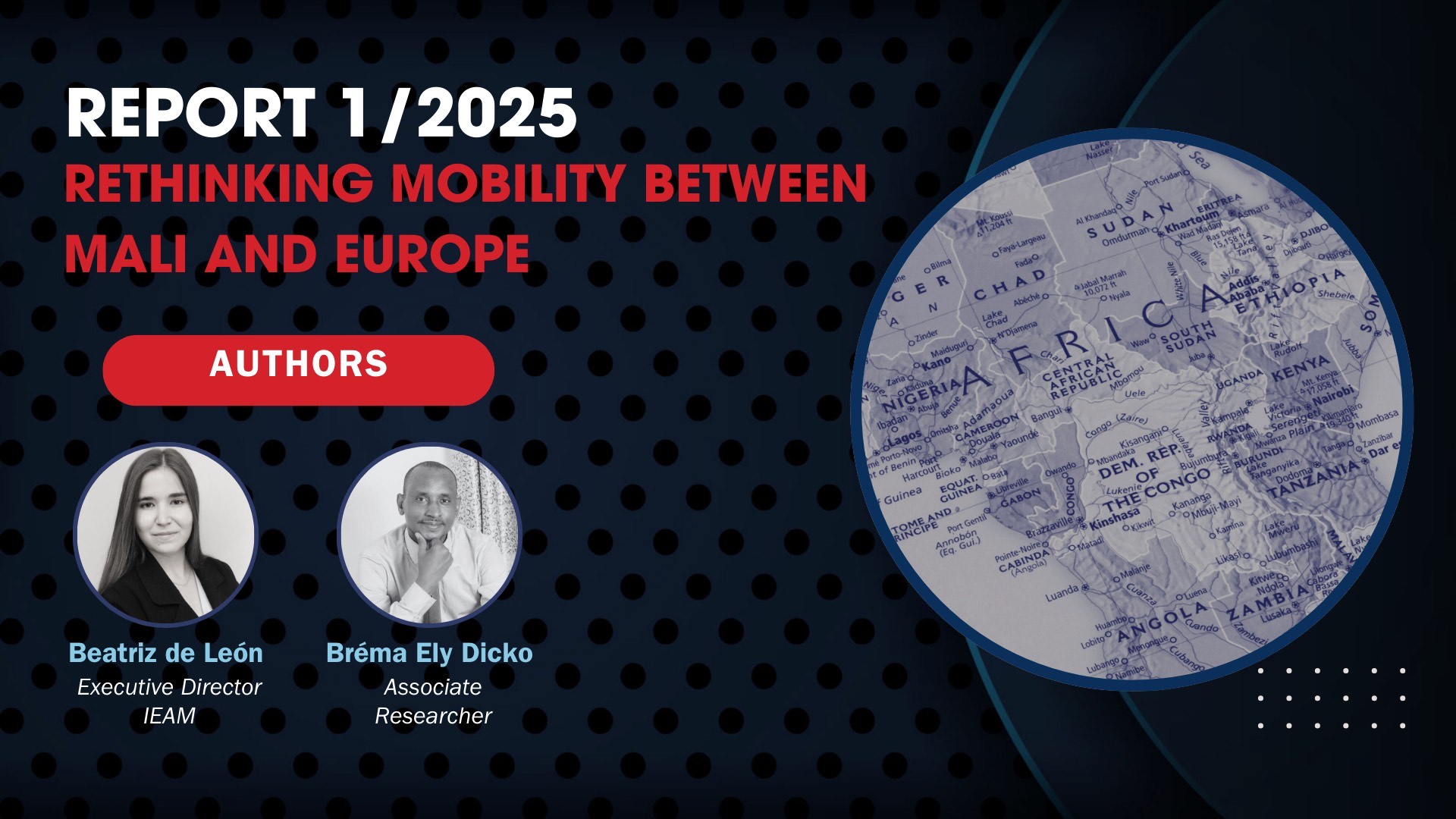
The objective of this policy paper is to propose a framework of concrete actions for legal and circular mobility, the reintegration of returnees, and the regional governance of migratory routes between Mali, its sub-region, and Europe. This document is part of a series of works by the Spanish Institute for Migration Analysis (IEAM) and is the result of a collective intelligence workshop held in Bamako with institutional actors, academics, migration researchers, associations, technicians, and economists, aimed at identifying common priorities and proposing operational mechanisms.
For Spain and, in general, for Europe, the recent dynamics in the Atlantic route—where Malians are among the most present nationalities on the route to the Canary Islands—call for going beyond emergency management to build structural solutions.
Collective commitment and a multi-stakeholder approach are essential: States, local entities, the diaspora, and international partners must jointly build the mechanisms, pool funding, and define common indicators.
Successful reintegration relies on community roots, economic inclusion, and local monitoring, favoring collective approaches and mixed financing.
Legal and circular mobility must be treated as a strategic priority, with well-structured multilateral agreements and clear, flexible procedures.
Consolidation of regional mechanisms (ECOWAS, AU, AES, bilateral) is indispensable and must be more pragmatic, guaranteeing better protection for people with changing migratory statuses.
Interstate coordination and local flow management must evolve towards common committees and indicators, rooted in the field.
Protection of women and children must become a major transversal axis, with adapted mechanisms backed by the collection of qualitative indicators (safety, health, access to rights). Donors and diplomats are invited to prioritize this aspect to fill the existing gap in operational responses.
Sustainability and mutualization of funding: It is urgent to integrate local resources, diaspora investment, and an initial co-financing approach to overcome the donor-dependent model and ensure continuity.
Monitoring, transparency, and continuous adaptation are key to success: Every action, every program must be subject to monitoring, documentation, and evaluation to be corrected, expanded, or stopped based on measured results.
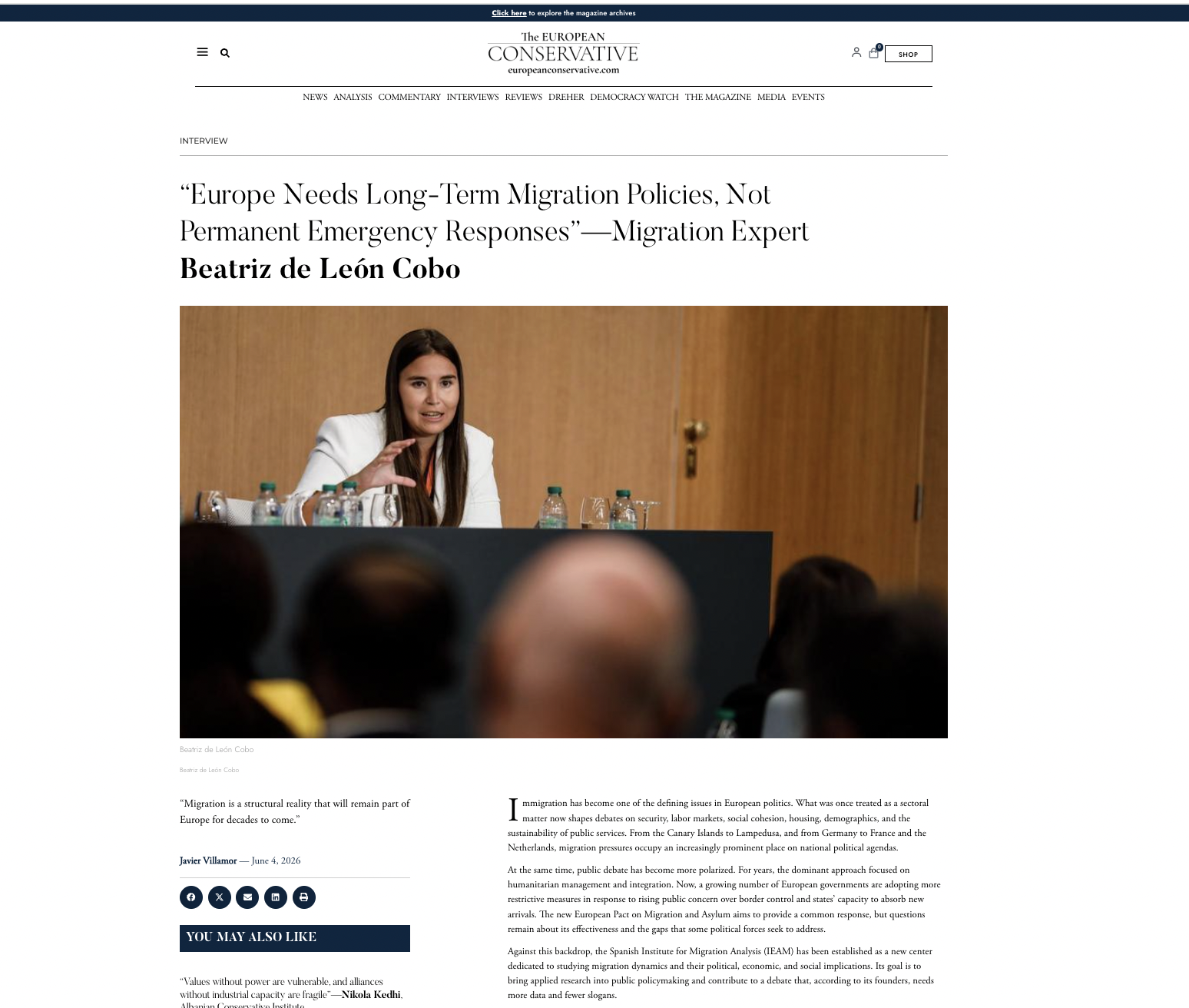
Based on the Policy Paper “Rethinking Mobility Between Mali and Europe”, prepared by Beatriz de León Cobo and Prof. Bréma Ely Dicko.